tralalero tralala meaning
Understanding the Meaning of Tralalero Tralala
The phrase tralalero tralala has been a part of music, songs, and playful language for decades. It’s a fun and somewhat silly expression that is often used to convey joy, cheerfulness, or even a sense of carefree abandon. If you’ve ever hummed a tune or heard it in popular songs, you might be curious about its deeper meaning or where it comes from. In this article, we’ll dive into the tralalero tralala meaning, breaking down its origins, significance, and how it fits into various forms of culture and entertainment.
At first glance, tralalero tralala may seem like an empty, nonsensical phrase. However, as you dig deeper, you’ll realize that it’s much more than just a catchy tune. This lighthearted expression has a fascinating history and has been used in multiple artistic and cultural contexts. Whether it’s found in a cheerful melody, as part of a playful chant, or even in humorous situations, the phrase brings a sense of joy and fun. This article will explore how this phrase found its way into our language and what it means in different contexts.
What Does Tralalero Tralala Mean?
The phrase tralalero tralala doesn’t have a concrete, dictionary-defined meaning. Instead, it’s a playful, rhythmic expression that conveys a sense of lightheartedness, happiness, or sometimes even a sense of whimsy. In many cases, it’s used in songs, jingles, and chants to capture the mood of a carefree moment. The closest translation would be something akin to “la la la” or “tra la la,” which are also nonsensical phrases used to signify joy or carefree enjoyment.
In the world of music, these kinds of expressions are often used to fill spaces in songs where lyrics aren’t necessary but are instead replaced by sounds that enhance the melody. It’s a creative way to evoke positive emotions, without necessarily relying on complex words. It is no wonder that we see this phrase used in such a wide variety of music genres, including pop, folk, and children’s songs. It’s not about the literal meaning — it’s about the feeling it generates.
Origins of Tralalero Tralala
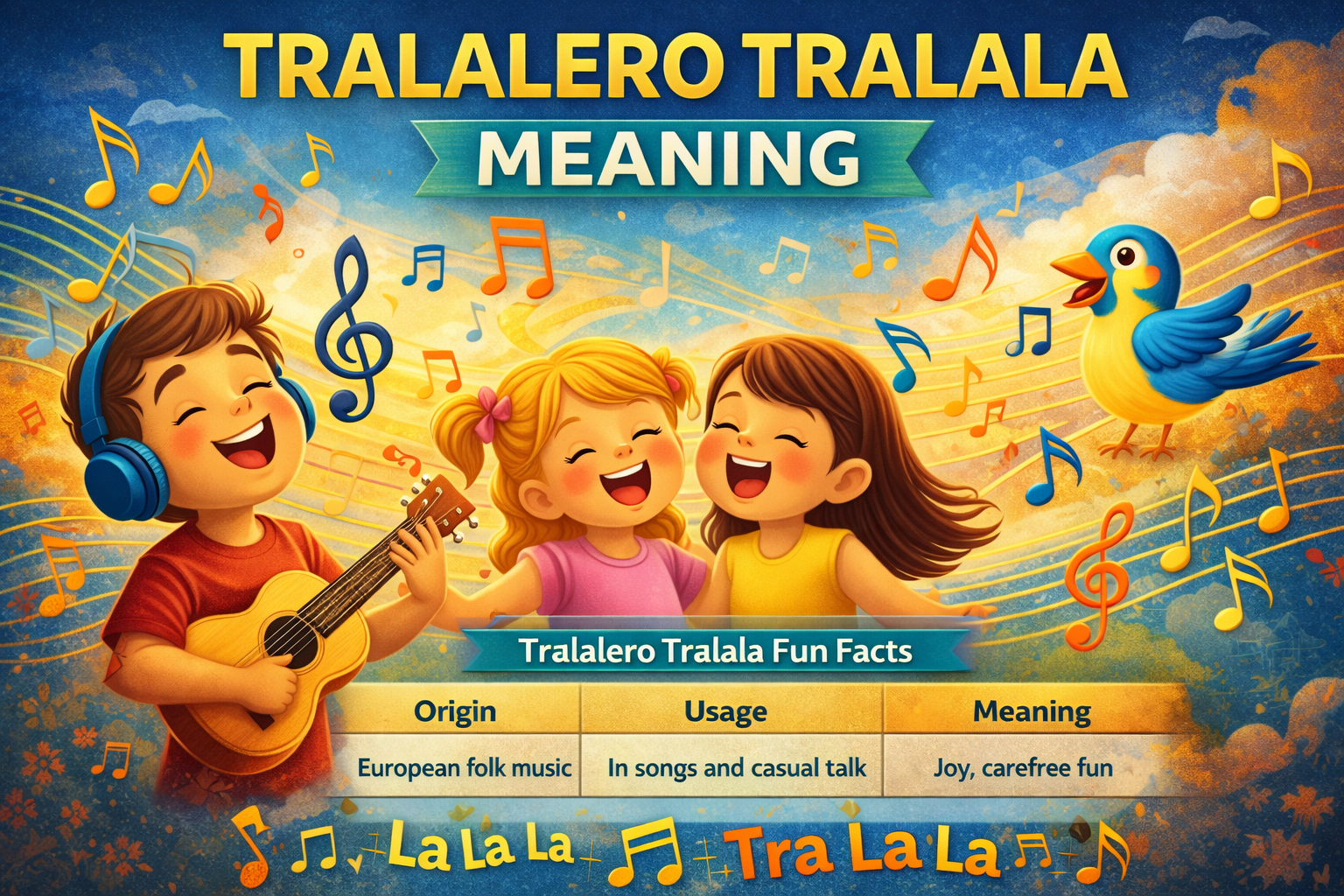
The phrase tralalero tralala has roots in European folk music. In many cultures, playful expressions like this were used in traditional songs that were passed down through generations. These types of phrases, often referred to as nonsense syllables, have been around for centuries. The earliest usage of the tralalero tralala pattern can be traced to 19th-century European songs, especially those originating in France, Italy, and Germany.
As these folk songs made their way across different cultures, they evolved. The original words were often replaced with nonsense syllables that helped create rhythm and melody in the music. The phrase tralalero tralala is simply one example of how these playful, non-lexical elements became embedded in the songs that define the folk tradition. Over time, as songs like these reached children and adults alike, the catchy nature of tralalero tralala made it a popular go-to phrase in music and even in everyday conversations.
Use of Tralalero Tralala in Popular Culture
While tralalero tralala might have originated in folk songs, it has since been adopted in numerous forms of entertainment. One of the most recognizable places we hear this phrase is in children’s songs. These playful, upbeat melodies often rely on tralalero tralala to create an infectious, fun atmosphere. For example, in certain nursery rhymes and lullabies, these syllables are often sung to fill in the spaces between the more structured parts of the song.
Additionally, the phrase has been featured in popular cartoons and TV shows, where characters use it as a chant or a song to express happiness. This further solidified its place in mainstream media, where it was often used as a symbol of lightheartedness and carefree moments. Whether it’s in a commercial jingle or a whimsical TV scene, tralalero tralala has become synonymous with innocence and joy.
Tralalero Tralala in Music: The Fun of Nonsense Words
In music, tralalero tralala plays an important role in creating rhythm and emotional impact. Much like la la la or tra la la, these nonsensical words fill in gaps between meaningful lyrics. They provide an opportunity for listeners to focus on the melody, beat, and overall vibe of the song. These phrases often serve to enhance the song’s energy, helping to elevate the mood of the piece.
Many famous artists have used this technique in their songs, from the playful tunes of The Beatles to contemporary pop tracks. When the music is about energy and expression, tralalero tralala allows artists to experiment with sound without being tied to a particular meaning. It’s the kind of creative freedom that connects with listeners, evoking feelings of joy, fun, and positivity.
The Appeal of Tralalero Tralala in Children’s Songs
One of the key reasons tralalero tralala is so popular is its appeal in children’s music. Kids love catchy phrases, and the repetition of simple sounds like “tralalero tralala” makes it easy for them to remember and sing along. It’s not just about the rhythm; it’s about creating a connection with music that feels natural and playful.
In songs like “This Old Man” or “Skip to My Lou,” tralalero tralala has been used as a fill-in phrase that allows children to join in on the fun. By incorporating playful sounds into the lyrics, these songs become more engaging for kids. They create an experience that encourages interaction and helps children develop their love for music from an early age.
The Global Popularity of Tralalero Tralala
The beauty of tralalero tralala is that it transcends language barriers. While it may have originated in European cultures, it has spread across the globe and is widely recognized in different languages. In fact, the phrase has been adapted into different forms in songs around the world, with varying regional versions of the syllables.
Whether you’re listening to a French chanson, a German folk tune, or a contemporary pop song, chances are you’ve heard a version of tralalero tralala. Its simplicity and rhythm make it an appealing phrase that can fit into any genre of music. It’s an example of how cultural traditions can blend together to create something universally enjoyable, no matter where you’re from.
Fun Facts About Tralalero Tralala
- Origins in French music: The phrase tralalero tralala is often associated with French folk music, where it was used to create catchy, rhythmic patterns.
- Global variation: While the exact phrase may vary, similar expressions like “la la la” and “tra la la” are used in songs around the world.
- Nonsense syllables: These types of phrases, known as nonsense syllables, are frequently used in songs to add rhythm and energy, without needing a direct meaning.
Tralalero Tralala in Modern Entertainment
Today, the phrase tralalero tralala still pops up in modern entertainment. In addition to music, it’s often found in advertisements, movies, and TV shows. It’s a go-to phrase for conveying carefree fun or silliness, making it a favorite for commercial jingles or humorous moments in films.
Its presence in modern entertainment speaks to the timelessness of this playful expression. It’s more than just a word—it’s a feeling of joy that connects with people of all ages.
The Influence of Tralalero Tralala in Everyday Life
While tralalero tralala may have started in music, it’s now used as a fun, informal expression in everyday language. People might sing it when they’re feeling carefree, or they might use it when they’re joking around with friends. It’s a great example of how art and culture influence our daily conversations.
Next time you’re humming along to a tune, you might find yourself singing tralalero tralala without even thinking. It’s a simple, joyful expression that’s become a part of the fabric of our cultural conversations.
How to Use Tralalero Tralala in Conversation
While tralalero tralala isn’t used in serious conversations, it’s great for adding a bit of fun to casual exchanges. It’s often sung when someone is in a good mood, or when they’re not taking things too seriously. Here are some examples:
- In a cheerful conversation: “I finished my homework—tralalero tralala!”
- As a joke: “I can’t believe it’s Monday—tralalero tralala!”
It’s a way of expressing carefree joy in moments of lighthearted conversation.
FAQs
FAQ 1: What does tralalero tralala mean?
It’s a playful, nonsensical phrase used in songs to convey joy and carefreeness. It doesn’t have a specific meaning but serves to add rhythm and fun.
FAQ 2: Where did tralalero tralala come from?
It originated in European folk music, especially in French and German traditions. It spread globally as a fun, rhythmic addition to many songs.
FAQ 3: Is tralalero tralala used in any famous songs?
Yes! It appears in many children’s songs and folk tunes, such as “Skip to My Lou” and “This Old Man”.
FAQ 4: Why is tralalero tralala popular in children’s songs?
Its rhythmic nature makes it easy for children to sing along. It’s catchy and adds a fun, repetitive element to music.
FAQ 5: Can tralalero tralala be used in everyday conversation?
Yes! People often use it to add a sense of playfulness or to express joy in casual conversations.
FAQ 6: How can I incorporate tralalero tralala into my music?
Use it as a filler phrase in between verses or to add a fun, catchy moment in your melody. It works great in upbeat songs.
Conclusion: The Timeless Charm of Tralalero Tralala
From its folk music origins to its presence in modern entertainment, tralalero tralala continues to spread joy and bring smiles. Whether in a song, a movie, or even just a casual conversation, this playful phrase reminds us all to embrace the carefree, joyful moments in life. So next time you catch yourself humming along, remember the fun origins of tralalero tralala and enjoy the moment!
| Read More Informative Blogs Like This. Tap Here 👉 Jipinfeiche Guide: How It Works |
About the Author