tahhiini
What Is Tahini? The Ancient Secret Modern America Loves
Tahini stands as one of the most versatile and nutritious ingredients you can add to your kitchen today. This smooth, creamy paste comes from ground sesame seeds. People have enjoyed it for thousands of years across Middle Eastern and Mediterranean cultures. Now, American home cooks and chefs embrace tahini for its incredible flavor and health benefits. The texture resembles natural peanut butter but offers a unique nutty taste. You can use it in both sweet and savory dishes.
Many people first encounter tahini as a key ingredient in hummus. However, its potential extends far beyond that single dish. The paste contains no dairy, making it perfect for vegan and plant-based diets. Its rich, earthy flavor enhances everything from salad dressings to desserts. American supermarkets now stock multiple brands and varieties. This accessibility makes exploring tahini easier than ever before. Once you start using it, you will wonder how you cooked without it.
The Remarkable Health Benefits of Tahini You Need to Know
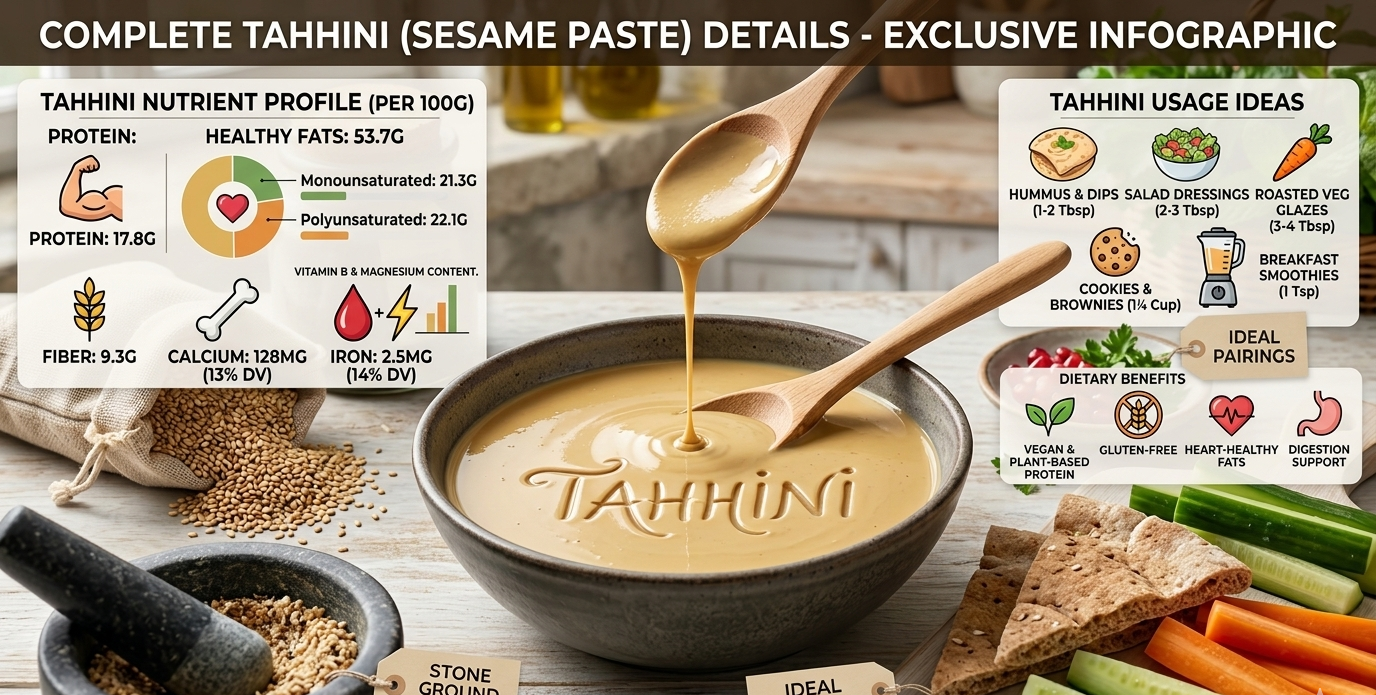
Tahini packs an impressive nutritional punch that supports overall wellness and vitality. Every spoonful delivers substantial amounts of healthy fats and plant-based protein. These nutrients keep you feeling full and energized throughout your busy day. The paste contains high levels of calcium, which strengthens bones and teeth naturally. Magnesium and iron abundance supports muscle function and blood health. Antioxidants in tahini fight inflammation and protect your cells from damage. Regular consumption may improve heart health by reducing bad cholesterol levels.
The vitamin E content promotes glowing, healthy skin from within. B vitamins in tahini help convert food into usable energy efficiently. Unlike many spreads, tahini contains no added sugars or artificial ingredients. Its natural composition makes it a clean eating superstar. Weight management becomes easier with tahini’s satisfying protein and fiber combination. Brain health benefits from the healthy fats that support cognitive function. Adding tahini to your daily routine creates lasting positive impacts on your wellbeing.
How to Choose the Best Tahini at Your Local Store
Shopping for tahini requires knowing what separates quality products from mediocre options. Look for brands listing only one ingredient: sesame seeds. Avoid products with added oils, salt, or preservatives that dilute purity. The color should range from light beige to deep tan depending on seed type. Hulled sesame seeds create lighter, milder tahini varieties. Unhulled seeds produce darker, more nutrient-dense versions with stronger flavor. Stir the jar before buying to check consistency and separation.
Quality tahini naturally separates, with oil rising to the top over time. This separation actually indicates minimal processing and natural authenticity. Smell the product if possible; fresh tahini smells nutty and pleasant. Rancid or overly bitter odors suggest old or poorly stored stock. Glass jars typically preserve freshness better than plastic containers. Store your tahini in a cool, dark place after opening. Some people prefer refrigerating it to extend shelf life and prevent spoilage. Price often reflects quality, so invest in reputable brands for best results.
Simple Ways to Use Tahini in Your Daily Cooking
Incorporating tahini into everyday meals transforms ordinary dishes into extraordinary culinary experiences. Start your morning by drizzling tahini over oatmeal or yogurt bowls. The creamy texture adds richness without dairy products. Blend it into smoothies for extra protein and silky consistency. Lunch becomes exciting with tahini-based salad dressings and sandwich spreads. Simply mix tahini with lemon juice, garlic, and water for instant sauce. Dinner options expand dramatically with this versatile ingredient. Toss roasted vegetables with tahini sauce before serving hot.
Marinate chicken or tofu in tahini mixtures for tender, flavorful results. Pasta dishes gain new dimension when you substitute cream with thinned tahini. Baking with tahini creates moist, rich cakes and cookies. The nutty flavor complements chocolate beautifully in brownies and truffles. Even popcorn becomes gourmet with a light tahini coating and sea salt. Keep a jar accessible on your counter for spontaneous cooking inspiration. Once you start experimenting, you will find endless applications for this magical paste.
Authentic Tahini Recipes That Will Impress Your Family
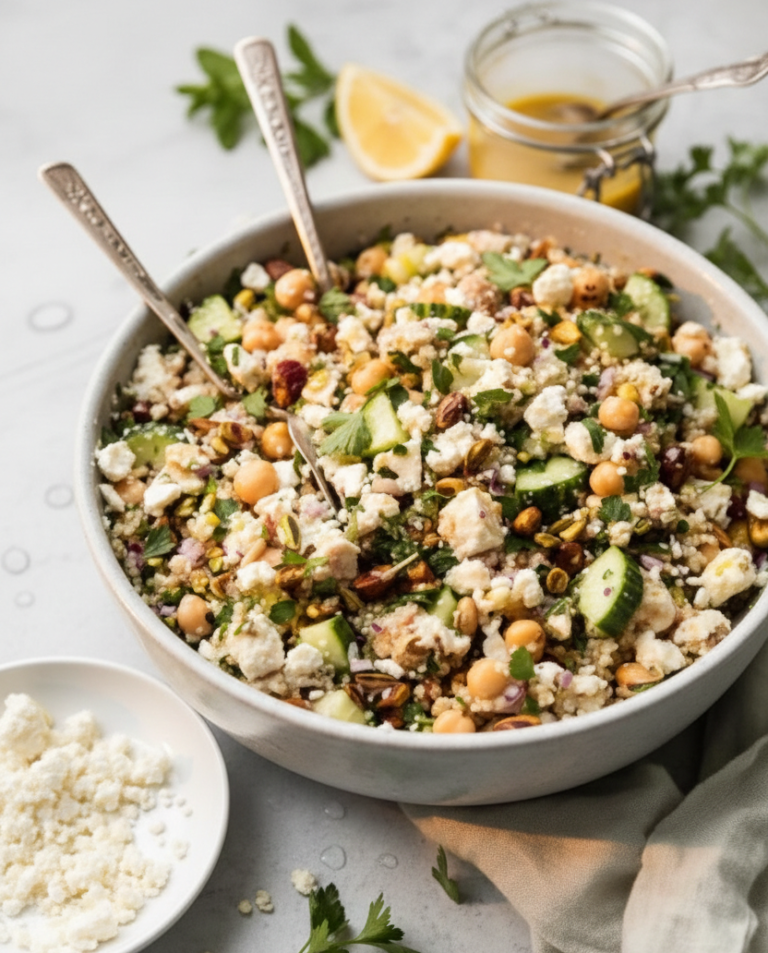
Creating delicious dishes with tahini requires minimal skill but delivers maximum flavor impact. Try making classic hummus by blending chickpeas, tahini, lemon, and garlic until smooth. This homemade version surpasses any store-bought alternative in taste and nutrition. Whip up a quick sauce by combining tahini with cold water, lemon juice, and salt. This basic preparation dresses salads, grain bowls, and grilled meats perfectly. For breakfast, spread tahini on toast and top with sliced bananas and honey.
This simple combination provides sustained energy for busy mornings. Dinner guests will love your tahini-glazed salmon or chicken recipes. The paste creates a beautiful crust while keeping proteins moist inside. Vegetarian options shine with tahini-dressed lentil salads and roasted cauliflower steaks. Dessert possibilities surprise many first-time tahini users.
Try baking tahini chocolate chip cookies for a sophisticated twist on the classic treat. Halva, a traditional sweet, showcases tahini’s dessert potential beautifully. Share these recipes with friends to spread the tahini appreciation. Your cooking reputation will grow with each impressive dish you serve.
Tahini vs Other Nut Butters: What Makes It Special?
Comparing tahini to popular nut butters reveals unique advantages worth considering. Peanut butter dominates American pantries but contains common allergens affecting many people. Tahini provides similar protein content without the allergy concerns. Almond butter offers healthy fats but often carries premium price tags. Tahini typically costs less while delivering comparable nutritional benefits. Sunflower seed butter serves as another alternative, yet lacks tahini’s rich history and versatility.
The flavor profile of tahini stands distinctly apart from nut-based spreads. Its subtle bitterness balances beautifully with sweet and acidic ingredients. Nutritionally, tahini exceeds many competitors in calcium and iron content. The mineral density supports bone health better than most tree nut options. Digestibility ranks high for tahini since sesame seeds contain beneficial fiber.
Many people find tahini easier on their stomachs than heavier nut butters. Environmental impact favors tahini production, requiring less water than almond cultivation. Sustainability-minded consumers appreciate this ecological advantage. Taste testing different spreads side-by-side highlights tahini’s sophisticated complexity.
The Fascinating History and Cultural Significance of Tahini
Understanding tahini’s rich heritage deepens appreciation for this ancient superfood. Archaeological evidence shows sesame cultivation dating back over three thousand years. Ancient civilizations across Mesopotamia and the Indus Valley treasured these tiny seeds. Egyptian tombs contained sesame as valuable offerings for the afterlife. The process of grinding seeds into paste likely began in these early societies. Middle Eastern cuisines developed countless tahini applications over centuries. Lebanese, Israeli, and Palestinian traditions particularly elevated tahini to essential status.
Greek and Turkish cultures incorporated it into their distinctive culinary identities. The spread traveled along trade routes, reaching Asia and Africa. Each region adapted tahini to local tastes and available ingredients. Immigration patterns brought tahini to American shores in the twentieth century. Initially confined to ethnic grocery stores, mainstream acceptance grew slowly.
The health food movement of recent decades accelerated tahini’s popularity dramatically. Today, it represents culinary globalization and cross-cultural appreciation. Using tahini connects modern cooks to this extensive historical tradition.
Storing and Handling Tahini Like a Professional Chef
Proper storage techniques ensure your tahini stays fresh and flavorful for months. Unopened jars remain stable in pantries for up to two years easily. Cool, dark environments prevent the natural oils from turning rancid prematurely. Once opened, refrigeration extends freshness significantly, especially in warm climates. Cold temperatures thicken tahini considerably, changing its workable texture. Simply stir well or let it warm slightly before using refrigerated tahini. Natural oil separation occurs regardless of storage method chosen. Stirring thoroughly reincorporates the oil into the solid paste.
Some people prefer storing tahini upside-down to minimize separation issues. Avoid introducing water or contaminants into the jar during use. Clean utensils prevent bacterial growth and premature spoilage. If your tahini smells bitter or tastes overly acidic, discard it immediately. These signs indicate the oils have oxidized beyond safe consumption. Quality tahini should taste nutty, slightly bitter, and pleasantly rich. With proper care, your investment in premium tahini rewards you with lasting quality.
Where to Buy the Best Tahini Online and In Stores
Finding quality tahini requires knowing the best sources for authentic products. Middle Eastern grocery stores typically offer the widest selection of imported brands. These specialty shops carry traditional varieties rarely found in mainstream supermarkets. Staff recommendations often lead to discovering exceptional small-batch producers. Health food stores stock organic and raw tahini options for specific dietary needs. These retailers emphasize minimally processed, nutrient-dense selections.
Major grocery chains now dedicate shelf space to tahini due to growing demand. Look in the international aisle or near other nut butters and spreads. Online shopping opens access to artisanal brands from around the world. Amazon carries dozens of options with customer reviews guiding your choices. Direct ordering from manufacturer websites ensures freshest product availability.
Subscription services deliver tahini regularly, preventing kitchen shortages. Farmers markets occasionally feature locally made small-batch tahini. These producers often use unique roasting techniques or seed varieties. Comparing prices across sources helps find the best value for your budget. Building relationships with reliable suppliers guarantees consistent quality.
Creative Ways Restaurants Are Using Tahini in 2024
Professional chefs continue discovering innovative applications for tahini in modern cuisine. Fine dining establishments feature tahini in elegant sauces and emulsions. The paste’s natural emulsifying properties create silky smooth textures. Casual restaurants incorporate tahini into dressings and dips for health-conscious diners. Fast-casual chains now offer tahini-based sauces as standard options.
This mainstream acceptance signals tahini’s permanent place in American food culture. Bakeries experiment with tahini in croissants, muffins, and artisan breads. The subtle nuttiness enhances wheat flavors without overwhelming them. Ice cream shops create tahini flavors that surprise and delight customers.
The combination of cold sweetness with sesame richness proves addictive. Cocktail bars craft tahini syrups for unique mixed drinks. These creative libations attract adventurous patrons seeking new experiences. Food trucks specializing in Middle Eastern fusion rely heavily on tahini. Their success demonstrates broad appeal across diverse demographic groups. Keeping up with restaurant trends inspires home cooks to experiment boldly. Following professional examples elevates your personal cooking repertoire significantly.
Frequently Asked Questions About Tahini
What exactly is tahini made from?
Tahini consists solely of ground sesame seeds processed into smooth paste. Manufacturers toast the seeds lightly before grinding to enhance flavor development. Some varieties use hulled seeds for lighter color and milder taste. Unhulled versions retain more nutrients but taste slightly more bitter. The grinding process releases natural oils, creating creamy, spreadable consistency. No additional ingredients are necessary for authentic, pure tahini production.
Is tahini healthier than peanut butter?
Tahini offers different nutritional advantages compared to peanut butter. It contains more calcium and iron than most peanut butter varieties. The healthy fat profiles differ, with tahini providing more monounsaturated fats. Protein content remains comparable between both spreads. Tahini suits people with peanut allergies who need alternative options. Both choices offer health benefits when consumed as part of balanced diets.
How do I use tahini if I have never tried it before?
Start simply by using tahini as a spread on bread or crackers. Mix it with honey for a sweet introduction to the flavor. Add small amounts to familiar dishes like salad dressings or smoothies. Gradually increase quantities as your palate adjusts to the taste. Follow basic recipes specifically designed for tahini beginners. Your confidence will grow with each successful preparation.
Does tahini need to be refrigerated after opening?
Refrigeration extends tahini’s freshness but is not strictly required. Room temperature storage works fine if you use it quickly. Warm climates benefit from refrigeration to prevent oil rancidity. Cold storage thickens tahini significantly, requiring stirring before use. Always seal the jar tightly regardless of storage method chosen. Check for off smells or tastes before consuming older tahini.
Is It Possible to Make Tahini at Home?
Yes, tahini can easily be prepared in your own kitchen using just a few simple ingredients. All you need are sesame seeds and a strong food processor or blender. For deeper flavor, lightly toast the raw seeds in a dry skillet before blending. Once toasted, grind the seeds while slowly pouring in a small amount of oil until the mixture becomes creamy and smooth. Achieving the perfect texture may take a bit of time and patience, but the result is a fresh spread you can customize to your preference. Keep homemade tahini in a sealed container in the refrigerator to maintain freshness. Many people choose to make it themselves because it can be more economical than store-bought options.
Which Foods Pair Well With Tahini?
Tahini is a key ingredient in traditional dishes like hummus and baba ganoush, but its uses extend far beyond these classics. It works wonderfully in salad dressings, marinades, and flavorful dipping sauces. Adding tahini to baked treats introduces moisture along with a rich, nutty taste. It can also boost the nutrition of smoothies or breakfast bowls thanks to its protein content. Sauces made with tahini complement grilled vegetables and meats beautifully. On the sweeter side, desserts such as cookies or halva highlight its unique flavor profile.
Conclusion: Discover the Power of Tahini
Tahini is far more than a temporary health trend—it is a time-honored ingredient with impressive nutritional benefits and remarkable versatility in the kitchen. Beginning your tahini journey is as simple as picking up a jar and trying something new. Use the ideas and suggestions in this guide to explore different ways of cooking with it. You may soon notice how this humble sesame paste elevates your meals while contributing to a balanced diet. Anyone can enjoy cooking with tahini, whether you’re a beginner or an experienced home chef.
Share your favorite recipes and experiences with friends and family to spread the excitement. Grab a jar from your nearby grocery store or order one online and start experimenting today. Your palate—and your body—will appreciate the choice. 🌿🥄✨
| Read More Informative Blogs Like This. Tap Here 👉 Mannacote Explained: Your Complete Guide to Health |
About the Author