
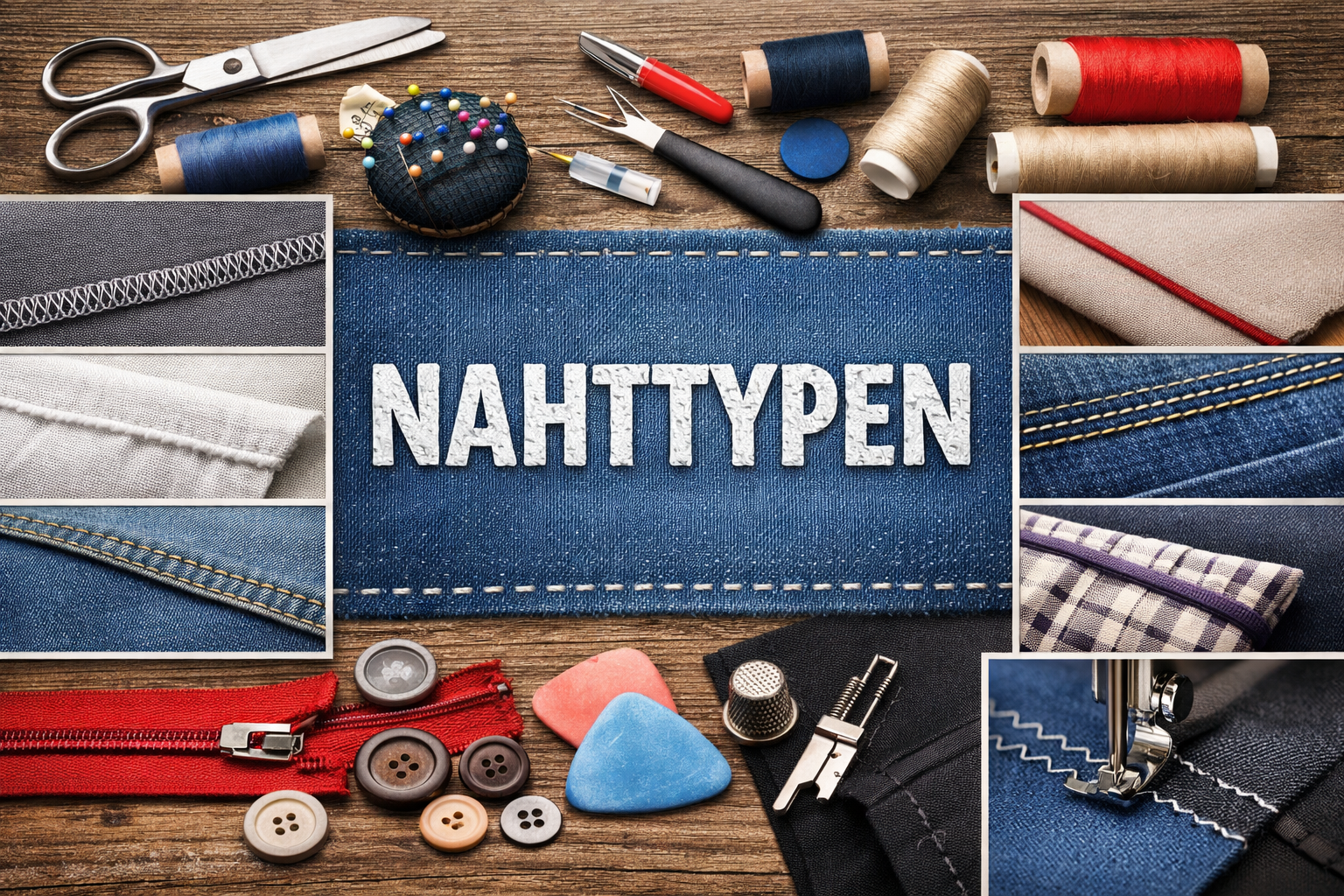
nahttypen
Nahttypen: The Ultimate Guide
Introduction: What Are Nahttypen and Why Are They Important?
When it comes to sewing, “nahttypen” refers to the different types of seams or stitches used to join fabrics together. Understanding these various nahttypen is essential for anyone involved in sewing, whether it’s for clothing, upholstery, or even quilting. The right type of seam can make a significant difference in the durability, appearance, and overall quality of your finished project.
In this article, we will dive into the different nahttypen, explore their uses, and explain why choosing the right one is crucial for your sewing success. Whether you’re a beginner or a seasoned sewer, this comprehensive guide will give you the knowledge you need to master your craft.
1. What Are Nahttypen? Understanding Seams and Stitches
At its core, nahttypen refers to the different kinds of seams and stitches used in sewing. Each type of seam serves a unique purpose, and choosing the right one depends on factors such as fabric type, strength needed, and the final look you want to achieve. The basic idea behind a seam is to hold pieces of fabric together in a way that is both functional and aesthetically pleasing.
2. The Basic Nahttypen: Straight Seam
The straight seam is the most common type of seam. It’s used for joining two pieces of fabric together in a straight line. The versatility of the straight seam makes it ideal for a wide range of sewing projects, from garment making to home décor. The straight seam provides a clean, simple look and is often the foundation for other more complex seams.
Use cases: Dresses, pants, shirts, curtains, and more.
3. Overlock Seam: Strength and Durability
The overlock seam is a popular choice for fabrics that fray easily, as it helps to prevent raw edges from unraveling. This seam type uses an overlocking machine that trims and sews the edges in a single step. Overlock seams are especially helpful for knit fabrics and can be found in most ready-to-wear garments.
Use cases: Activewear, knit fabrics, casual clothing.
4. French Seam: A Clean Finish for Delicate Fabrics
A French seam involves sewing the fabric together, then turning the fabric inside out and sewing it again to enclose the raw edges. This type of seam is especially useful for delicate fabrics that may fray easily, such as chiffon, silk, or organza. It results in a neat, professional finish that looks as good on the inside as it does on the outside.
Use cases: Delicate fabrics, linings, and formal wear.
5. Flat-Felled Seam: Perfect for Denim and Heavy Fabrics
The flat-felled seam is known for its strength and durability. This seam type is often used in heavy fabrics like denim or canvas, where strength is critical. It involves folding one edge of the fabric over the other, then sewing it down, creating a flat, sturdy finish. This type of seam is often seen in jeans and workwear.
Use cases: Denim, heavy fabrics, workwear.
| Seam Type | Durability | Recommended Fabric |
|---|---|---|
| Straight Seam | Standard | All woven fabrics |
| Overlock | High | Knit & Fray-prone |
| French Seam | Elegant | Silk & Chiffon |
| Flat-Felled | Extreme | Denim & Canvas |
6. Welt Seam: A Decorative Touch
The welt seam is more decorative than functional, often used in fine tailoring. It involves creating a small, raised edge along the seam, giving a polished look. This type of seam is typically seen in high-end garments such as suits and jackets. While it’s not as durable as some other seams, it adds a refined detail to any garment.
Use cases: Suits, jackets, high-end fashion.
7. Piped Seam: Adding Decorative Accents
The piped seam is a visually striking seam that involves inserting a cord or piping into the seam. This adds texture and dimension to the garment. Piped seams are commonly found in home décor items, such as pillows or cushion covers, as well as in clothing like jackets and skirts. They can be a great way to add flair to your sewing projects.
8. Double-Needle Seam: A Strong and Professional Finish
A double-needle seam uses two needles to sew parallel lines, giving the seam a clean and professional look. This type of seam is often used for hemming and topstitching, especially in garments like jeans and T-shirts. The double-needle seam adds strength and durability while providing a polished, uniform appearance.
9. Blind Hem: Invisible Yet Strong
The blind hem is designed to be virtually invisible on the front of the fabric. It’s often used for hemming pants and skirts, giving them a clean, professional finish without visible stitching. While this seam type doesn’t provide the same level of durability as other seams, it’s perfect when you want the hem to be discreet.
10. Bound Seam: For Raw Edges That Need Neatness
A bound seam involves encasing the raw edges of the fabric with bias tape or binding. This seam provides a clean finish and helps prevent fraying. Bound seams are often used in garments that need extra durability, such as coats and jackets, as well as in items like quilts or blankets.
11. Zigzag Seam: Flexibility for Stretch Fabrics
The zigzag seam is another essential seam for stretch fabrics like knits and jerseys. Unlike the straight seam, which may break under stress, the zigzag seam stretches with the fabric, providing added flexibility and strength. This seam is perfect for creating garments that require movement or flexibility.
12. Topstitching: Decorative and Functional
Topstitching involves sewing a line of stitches on the outside of the fabric, often along seams, to create a decorative and functional feature. It is commonly used in denim and outerwear but can be applied to almost any type of fabric to add a polished finish.
FAQs: Common Questions About Nahttypen
About the Author
