
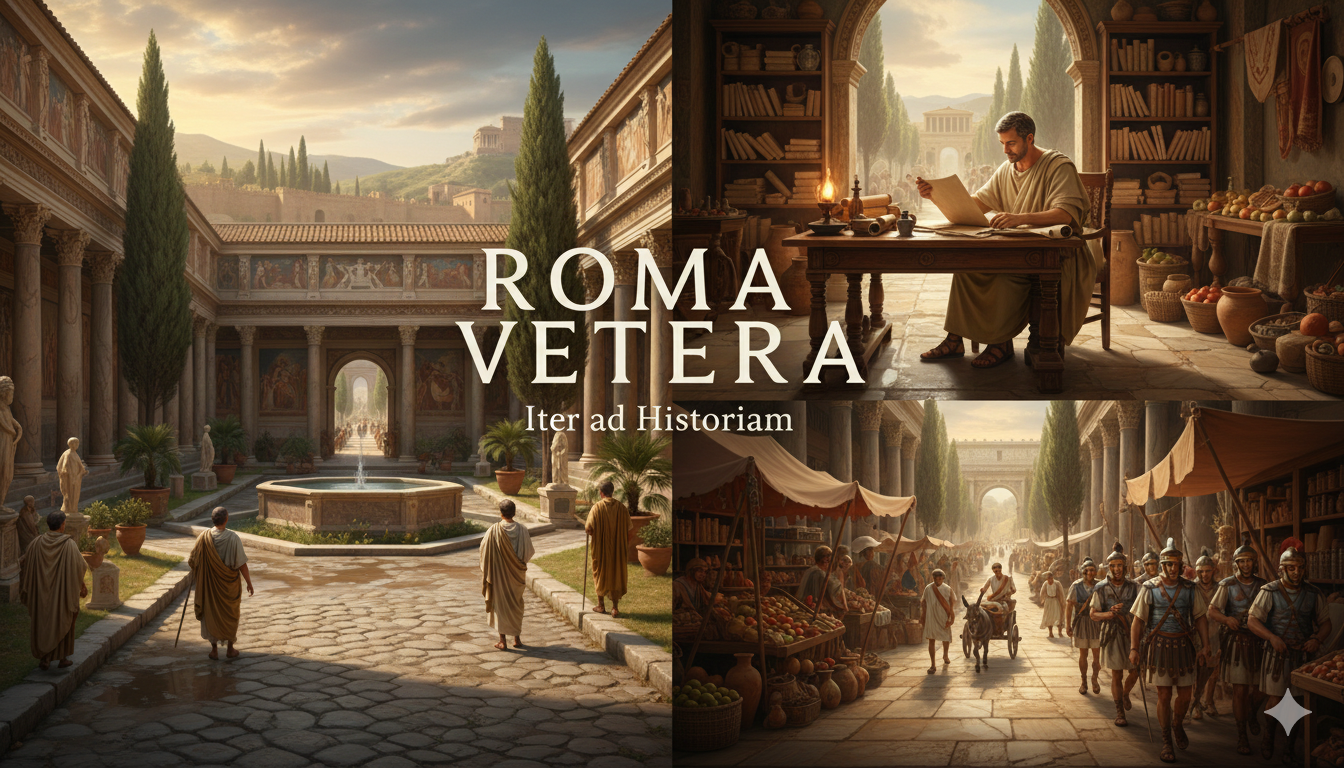
cesta roman
The Ancient Roman Roads and Their Historic Legacy
The Cesta Roman, or Roman roads, represent some of the most remarkable achievements in ancient engineering. These roads, built by the Romans over 2,000 years ago, were crucial in establishing the Roman Empire as one of the greatest civilizations in history. Not only did these roads facilitate military operations, but they also promoted trade, communication, and cultural exchange, helping the Romans expand their influence across Europe, Asia, and Africa.

In this article, we will dive into the history and significance of the Cesta Roman, exploring its key routes, construction techniques, and the impact it had on ancient societies and modern infrastructure. From the famous Via Appia to the Via Augusta, each Roman road tells a unique story about how the Roman Empire flourished. Let’s take a closer look at the Cesta Roman roads and how they continue to shape our world today.
What is Cesta Roman?
The term Cesta Roman refers to the expansive network of roads constructed by the Romans to connect their vast empire. These roads spanned thousands of miles, linking cities, military outposts, and trading hubs. Roman engineers and architects meticulously designed these roads to ensure they were durable and efficient for long-distance travel. The roads were used for military movement, trade, communication, and also played a role in the spread of Roman culture.
Key Features of Cesta Roman:
Durability: Roman roads were built to last, using materials like stone, gravel, and sand.
Efficiency: These roads were constructed with careful attention to drainage and alignment, ensuring quick and safe travel.
Connection: The roads connected different parts of the empire, facilitating trade, movement of soldiers, and cultural exchange.
The Engineering Marvel of Roman Roads
Roman roads were built with remarkable engineering precision. The process involved multiple layers of materials to create strong, durable, and long-lasting roads. Let’s explore the construction methods that made the Cesta Roman roads so successful:
1. Layered Construction
Roman roads were constructed in layers, starting with a foundation of large stones. Over this, smaller stones, gravel, and sand were placed, creating a solid surface for travel. The top layer was often made from smooth, flat stones, ensuring a sturdy and level surface for carts and pedestrians.
2. Proper Drainage
One of the key innovations of Roman road construction was the inclusion of a slight curve to the surface of the roads. This design allowed water to drain off, preventing flooding and erosion. The Romans also included ditches along the sides of the roads to carry away rainwater.
3. Use of Milestones
The Romans marked their roads with milestones, which indicated distances and helped travelers navigate. These stones were an essential part of Roman infrastructure, allowing for easier travel and better control of road conditions across the empire.
Major Roman Roads: Routes that Shaped the Empire
| Roman Road | Route | Modern Country/Region | Significance |
|---|---|---|---|
| Via Appia | Rome to Brindisi | Italy | Military and trade importance; first major Roman road. |
| Via Augusta | Pyrenees to Mediterranean | Spain, France | Key route for trade and military movement in Spain. |
| Via Egnatia | Adriatic to Aegean Sea | Greece, Albania, Turkey | Crucial for military control and trade in the Balkans. |
| Via Claudia Augusta | Po River to Danube | Italy, Austria, Germany | Connects northern regions with Italy, vital for trade and military movement. |
The Lasting Impact of Cesta Roman on Modern Infrastructure
The influence of Cesta Roman roads can still be seen today in modern infrastructure. Many modern highways and roads follow the same routes established by the Romans. The engineering techniques developed by the Romans have also influenced road construction throughout history.
1. Modern Road Construction Techniques
Roman engineering principles, such as layering materials for durability and incorporating drainage systems, are still used in modern road building. The Cesta Roman roads were designed to withstand the elements, and this focus on durability continues to be a standard in modern road construction.
2. Global Influence
The Cesta Roman roads set the standard for road-building across Europe and beyond. The Roman road network laid the foundation for many of the highways and infrastructure that we use today, from the United States to the United Kingdom.
Frequently Asked Questions (FAQs)
The Cesta Roman roads were built primarily for military use, enabling fast troop movements. However, they also facilitated trade, communication, and the spread of Roman culture across the empire.
The construction of the Cesta Roman roads spanned several centuries, beginning in the 3rd century BC. It took the Romans over 200 years to create their vast network of roads.
Yes, many modern roads follow the routes of ancient Roman roads. The Via Appia and Via Augusta are examples of ancient roads still used today, either as modern highways or historical paths.
Conclusion: The Enduring Legacy of the Cesta Roman Roads
The Cesta Roman roads remain one of the greatest achievements in the history of infrastructure. These ancient roads not only connected the Roman Empire but also laid the foundation for modern transportation systems. Today, these roads continue to be a symbol of Roman ingenuity and endurance, offering a fascinating glimpse into the past. Whether you’re a history enthusiast, a traveler, or simply curious about Roman engineering, the Cesta Roman roads are an integral part of our shared heritage.
You may also like to read About: RWU UAR: Unleashing the PotentialAbout the Author
