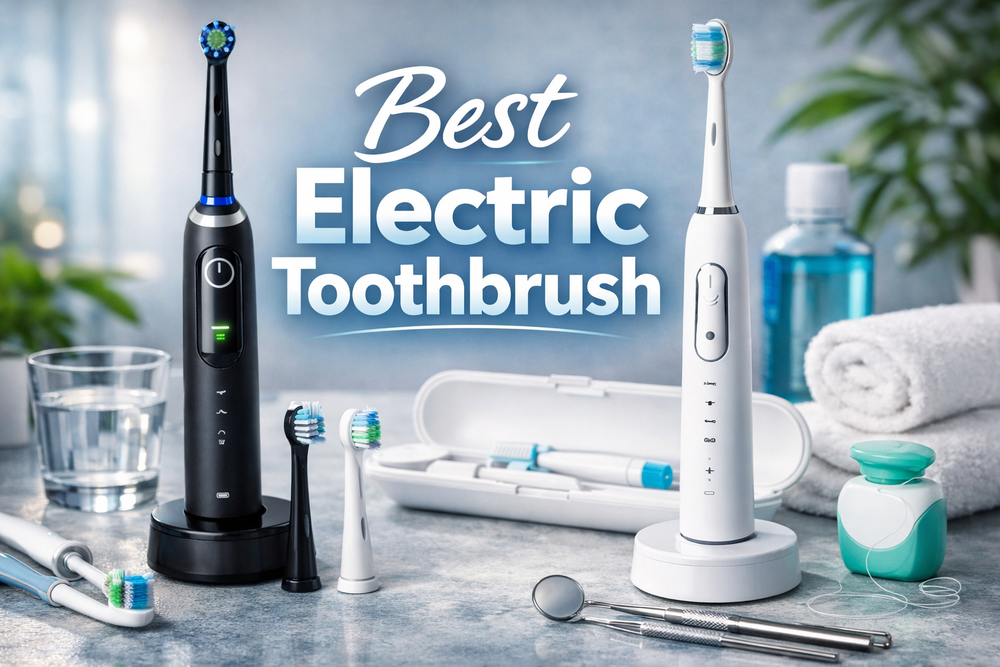
best electric toothbrush
Introduction
Picking the best electric toothbrush can feel confusing at first. Many brushes look the same. The price tags can be wild too. Still, the right brush can change your daily routine in a good way. It can lift plaque better, reach tight spots, and guide your timing. The key is matching the brush to your mouth, your habits, and your budget.
Some people want a soft feel. Others want deep cleaning. Some need travel battery life. Others want a simple handle with no app at all. This guide breaks it down in plain words. You will learn what matters, what to skip, and how to buy with calm confidence. You will also get a detailed table you can use in minutes.
Why an Electric Toothbrush Can Beat a Manual Brush
A powered brush does most of the work for you. That helps on tired days. It also helps kids and older adults. Many models have a two-minute timer. That small feature fixes a common problem. People often stop too soon. Some handles also nudge you every 30 seconds. That keeps your mouth time balanced. A good brush head can clean along the gumline with less effort. A light hand matters for gum health. Many people brush too hard with a manual brush. A pressure alert can stop that habit. If you deal with braces, bridges, or tight teeth, the extra motion can help you stay consistent. Consistency is the real win.
Sonic vs Oscillating: Two Main Cleaning Styles
Most electric brushes fall into two styles. Sonic brushes use fast vibration. The head shape is often longer, like a manual brush. The feel is smooth and “buzzing.” Oscillating brushes use a small round head that spins and pulses. The feel is more “scrub-like.” Both styles can clean well when used the right way. The choice often comes down to comfort. People with sensitive gums may like the softer feel of sonic vibration. People who like a focused “tooth by tooth” feel may like the round head. Dentist advice often points to technique over brand. Pick the motion you can stick with every day. That is how you land on the best electric toothbrush for you.
The Features That Matter
Start with a pressure sensor. It protects gums and enamel. Next, look for a timer and pacing alerts. They help you brush long enough without thinking. Battery life also matters more than people expect. A brush that dies mid-week gets skipped. Replaceable heads should be easy to find in the US. You will buy them many times. A slim handle grip helps control. A travel case is useful if you move around a lot. App support can be nice, yet it is not required for great cleaning. Many people quit apps after a week. So treat apps as a bonus, not the main reason to buy. If you want one “safe bet” feature set, choose pressure + timer + solid battery.
What the American Dental Association Seal Means
Some brushes show an ADA Seal on the box. The Seal signals the product met rules for safety and cleaning claims. The ADA explains that the Seal points to plaque removal and gingivitis reduction when used as directed. It does not mean the brush is the only good option. It also does not mean you must buy the most expensive handle. Still, the Seal can reduce guesswork if you feel stuck. If you see it, you know the brush went through a review path. If you do not see it, the brush may still be fine. Many brands do not submit products for that program. Use the Seal as a helpful signal, not a strict rule.
Best Electric Toothbrush Picks by Need
If you want a strong all-rounder, many lists rate newer mid to high models as top choices. TechRadar’s 2026 guide puts the Philips Sonicare 7100 as its top overall pick and calls out the Oral-B iO Series 10 for premium features. Forbes’ testing list highlights the Oral-B iO Series 2 as its top overall pick. Wired often points budget shoppers to the Oral-B Pro 1000 and the Sonicare 4100. Use these as starting points, then match the pick to your needs: sensitive gums, deep clean, travel, or price. The best electric toothbrush is the one you will keep using twice a day.
Detailed Comparison Table
| What to Compare | Budget Pick | Mid-Range Pick | Premium Pick |
|---|---|---|---|
| Cleaning motion | Sonic/Oscillating | Sonic/Oscillating | Guided modes |
| Pressure sensor | Sometimes | Often | Almost always |
| Timer + pacing | Often | Yes | Yes |
| Modes | 1–2 | 2–5 | 5+ |
| Battery life | Days to 2 weeks | 2–4 weeks | 2–6 weeks |
| App support | Rare | Sometimes | Often |
| Best for | First-time buyers | Most families | Feature fans |
How to Use an Electric Toothbrush the Right Way
The trick is pressure and patience. Put the head on a tooth, then turn it on. Do not scrub like a manual brush. Let the bristles do the work. Move slowly from tooth to tooth. Spend time along the gumline. Keep your wrist relaxed. If the brush has a timer, trust it. Most people rush the back molars, so slow down there. If you use an oscillating round head, “park” it on each tooth for a moment. If you use a sonic brush, glide it in small steps. Spit the foam, then rinse your mouth. Wash the brush head under water. Store it upright so it dries. This simple method can make a decent brush feel like the best electric toothbrush you ever owned.
Brush Heads: The Hidden Key to Results
The handle gets attention, yet the head does the real work. Pick a head that fits your mouth. Small heads reach the back teeth better. Soft bristles feel gentler on gums. Whitening heads can feel firmer. If you have gum recession or sensitivity, start with soft. Replace heads on schedule. Most brands suggest around three months, sooner if bristles flare. A worn head cleans worse and can irritate gums. If you wear braces or have implants, look for heads made for careful cleaning near hardware. Keep one spare head at home. It saves you when your head wears out at the wrong time. A great head can turn a simple brush into your best electric toothbrush experience.
Battery, Charging, and Travel Tips
Battery life can change your routine more than you think. If you travel often, pick a brush with long life or a travel case that protects the head. USB charging is handy for carry-on bags. A stand charger is easy at home. Avoid leaving the handle dead for weeks. Lithium batteries prefer regular charging. Keep the charger dry and away from sinks that splash. If your brush uses a special charger, buy a spare for travel. If you share a bathroom, label handles or use different color rings. It prevents mix-ups. This section sounds small, yet it keeps you brushing daily. A brush that is easy to charge often becomes the best electric toothbrush in real life.
Kids, Teens, Braces, and Sensitive Gums
Not every mouth needs the same brush. Kids do well with smaller heads and softer bristles. A fun timer can help too. Teens with braces need steady cleaning around brackets. A gentle mode can reduce soreness. People with bleeding gums should use a soft head and light pressure. Pressure sensors help here. If you have gum disease, follow your dentist’s plan and keep visits. An electric brush supports home care, yet it does not replace professional cleaning. If you get mouth ulcers, pick a softer head and avoid harsh scrubbing. If you have arthritis, choose a thick handle that is easy to grip. Matching the brush to your situation helps you find the best electric toothbrush without wasting money.
Smart Features and Apps: Worth It or Not?
Smart features can guide brushing time and coverage. Some premium models map your mouth. Some track pressure and motion. Philips explains that its Sonicare app can give real-time feedback on pressure and coverage. That can help if you love progress stats. Yet many people stop using apps after the first week. If you know you will ignore the app, do not pay extra for it. Spend that money on replacement heads and dental visits. If you share a brush handle with a partner, app profiles can help keep data separate. Decide based on your habits. The best electric toothbrush is not the “smartest.” It is the one that fits your life.
Budget Buying Guide: Where to Spend and Where to Save
You can get great cleaning without a luxury handle. Spend on core features first: timer, pressure alert, and decent battery. Save on fancy screens, extra modes you will never use, and big app bundles you do not want. Also watch the long-term cost of heads. A cheap handle with pricey heads may cost more over a year. Look for bundles that include extra heads. US shoppers also find good deals during big sale weeks. If you want a safe budget path, pick a well-known entry model from a major brand, then buy soft heads. If you want a premium path, be honest about what you will use daily. That mindset helps you land the best electric toothbrush without regret.
Care, Cleaning, and Mistakes to Avoid
Rinse the head after each brush. Shake off water. Store upright and open to air. Do not keep it in a closed, wet cup. That can lead to smell and grime. Once a week, wash the head and handle with mild soap, then rinse well. Avoid boiling brush heads. Avoid bleach. Do not press hard while brushing. That can cause gum pain and enamel wear. Do not share brush heads, even with family. If your brush smells bad, swap the head and clean the handle. If your brush loses power fast, check charging contacts for buildup. Small habits keep your brush fresh and reliable. That reliability is part of the best electric toothbrush value.
Frequently Asked Questions
1) How often should I replace the brush head?
Most people do well with a new head about every three months. Swap earlier if bristles flare or smell.
2) Can an electric toothbrush damage gums?
It can if you press too hard or use a worn head. Use light pressure and a soft head.
3) Is a sonic brush better than an oscillating brush?
Both can clean well. Sonic brushes feel smooth. Oscillating brushes feel more focused on each tooth.
4) Do I need an app for good brushing?
No. A timer and good technique matter more. Apps are a bonus for consistency.
5) Can kids use an electric toothbrush?
Yes, with the right size head and soft bristles. Supervision helps at first.
6) What is the best electric toothbrush for travel?
Look for long battery life and a sturdy case. USB charging also helps.
Conclusion
The best electric toothbrush is not a single “perfect” model for everyone. It is a match. Start with comfort, then check pressure sensing, timer, and battery life. Think about your mouth too. Braces, sensitive gums, and tight teeth change what feels right. Keep the head fresh, keep your pressure light, and keep your routine steady. If you want an easy next step, pick one brush style today, then commit for two weeks. You will feel the change fast. If you want, tell me your budget and if you prefer sonic or round-head cleaning. I can suggest a short list that fits your needs.
You may also like to read About: Pedro Paulo Executive Coaching: Expert BusinessAbout the Author