assimilasjon
A Simple, Clear Guide Anyone Can Understand
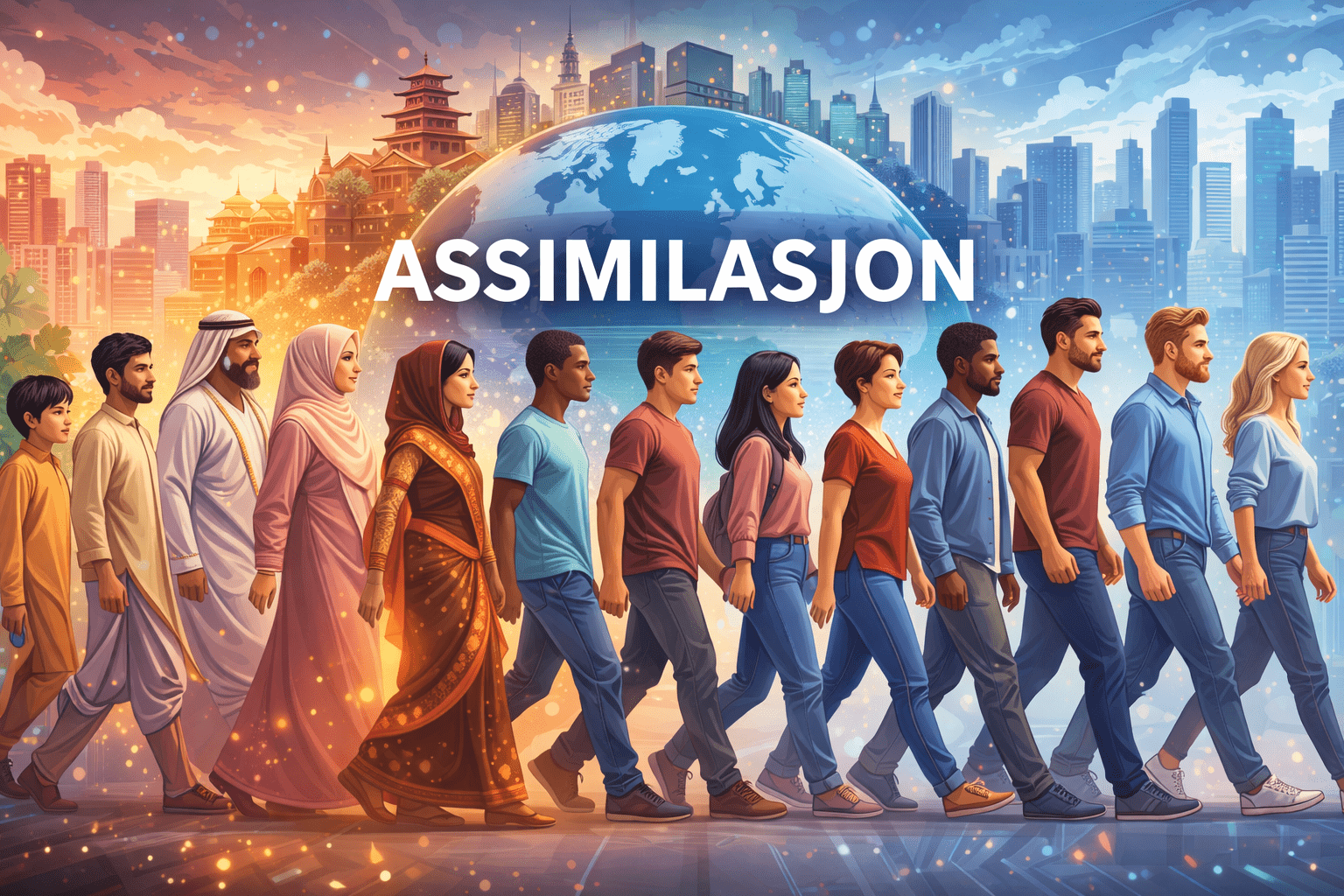
The word assimilasjon can sound big and academic. But the idea is simple. It means a person or group starts to live like another group. Over time, they may speak the same language. They may dress the same way. They may follow the same habits. It often happens when people move to a new place. It can also happen when a culture is under strong pressure to change. Sometimes it happens naturally. Sometimes it is pushed by rules or social pressure. Either way, assimilasjon affects real lives. It can shape identity, family life, school life, and even job choices. This guide explains it in easy language. You will also see examples that feel real, not robotic. By the end, you’ll know what assimilasjon is and why people talk about it so much.

What Assimilasjon Means in Everyday Words
In everyday words, assimilasjon means “blending in.” A person learns the new culture and becomes more like it. This can include language, food, humor, and even values. Imagine a student moving to a new country. At first, they may speak their home language. They may eat different food. After some time, they may start speaking like local friends. They may celebrate local holidays. They may even forget parts of their old habits. That shift is assimilasjon. It can happen slowly. It can also happen fast if someone feels pressure. People may choose it because they want acceptance. Others may feel forced into it to avoid bullying or exclusion. Some people like the comfort it brings. Others feel it costs them something important.
Why People Experience Assimilasjon
People experience assimilasjon for many reasons. One reason is survival. If you don’t understand the local language, daily life gets hard. Another reason is social belonging. Humans want friends and respect. So they copy what people around them do. A third reason is opportunity. Many jobs and schools reward people who fit in. So people may change how they speak or act to get treated better. Sometimes families also push it. Parents may think blending in will protect their kids. But there is also a hidden side. Some people feel they must hide their real identity. They may stop using their home language. They may avoid cultural clothing. They may downplay their background. That kind of assimilasjon can feel heavy, even if it looks “successful” from the outside.

Types of Assimilasjon You Can Spot in Real Life
You can spot assimilasjon in different forms. Language assimilation is one of the biggest. A person starts using the local language at school, at work, and even at home. Cultural assimilation shows up in food, music, and holidays. Social assimilation happens when someone’s friend group becomes mostly from the new culture. There is also identity assimilation. That is deeper. A person starts seeing themselves as part of the new culture first, and the old one second. Sometimes it’s partial. A person keeps their home culture in private but blends in outside. That is common in many families. Sometimes it becomes total, where old traditions fade away. Each type can feel different. Some people feel proud. Others feel loss. Both reactions can be true at the same time.
Assimilasjon vs Integration: They Are Not the Same
Many people mix up assimilasjon and integration, but they are different. Assimilasjon is about becoming like the dominant culture. Integration is about joining society while still keeping your own culture. In integration, you can speak two languages. You can celebrate two sets of holidays. You don’t have to erase your background to be accepted. In assimilasjon, the pressure often points one way: “Be like us.” Integration is more balanced: “Be with us.” In real life, countries and communities fall somewhere in the middle. Some spaces welcome diversity. Others reward sameness. Schools and workplaces also influence this. A friendly teacher can support integration. A harsh environment can push assimilasjon. Knowing the difference helps you understand debates about identity and belonging.
A Quick Table That Makes It Easy to Understand
Here is a clear table showing assimilasjon compared with similar ideas. This helps you remember it fast.
| Concept | Simple Meaning | What Changes? | What Stays? | Common Example |
|---|---|---|---|---|
| Assimilasjon | Blend into the dominant culture | Language, habits, identity | Old culture may fade | Person stops using home language |
| Integration | Join society while keeping roots | Some habits and language | Core identity stays | Person is bilingual and proud |
| Acculturation | Learn parts of a new culture | Daily behaviors | Identity can stay | Eats local food but keeps traditions |
| Multiculturalism | Many cultures respected together | Society adapts too | Many cultures stay visible | Multiple languages in schools |
| Segregation | Groups live apart | Little mixing | Separate identities stay | Communities rarely interact |
This table shows why assimilasjon is the most “one-direction” change.
Real Examples of Assimilasjon in Daily Life
A real example of assimilasjon can be simple. A child moves to a new city. At first, they bring lunch from home and feel shy. Other kids ask strange questions. The child starts feeling different. So they ask their parents for the same lunch other kids eat. They stop speaking their home language in public. They copy local slang to avoid teasing. After some time, they feel more accepted. But they also feel awkward at home. They can’t express themselves well in their first language anymore. Another example is an adult at work. They change their accent during meetings. They avoid cultural jokes. They laugh at things they don’t find funny. These changes may look small, but together they form assimilasjon.
When Assimilasjon Feels Positive
Not all assimilasjon is painful. For some people, it feels empowering. Learning a new language can open doors. It can help someone make friends faster. It can reduce fear and confusion in a new place. A person may feel proud when they can communicate easily. They may feel happy when they understand local humor and social rules. Some people even enjoy adopting new traditions. They see it as growth, not loss. In this case, assimilasjon happens by choice. It feels like a natural step. It can also help families build stability. Kids can succeed in school. Parents can get better jobs. Life becomes smoother. The key factor is often respect. If the new community respects the person’s background, blending in feels lighter and safer.
When Assimilasjon Becomes Harmful
Assimilasjon can become harmful when it is forced. Forced change can happen through strict rules, discrimination, or social shame. A person may feel they must erase their identity to be treated normally. That can hurt mental health. It can also damage family bonds. Kids may stop speaking their parents’ language. Then deep conversations become harder at home. Some people feel stuck between two worlds. They don’t feel “enough” for the new culture. But they also feel distant from the old one. That feeling can create loneliness. Another harm is losing cultural knowledge. Traditions, stories, and values can fade in one generation. The problem is not learning a new culture. The problem is losing the right to keep the old one while doing so.
Assimilasjon in School: Why Kids Feel It First
School is one of the fastest places where assimilasjon happens. Kids spend many hours there. They learn language, behavior, and social rules. They also learn what gets praised and what gets mocked. If a student’s name is often mispronounced, they may change it. If their accent is laughed at, they may stop speaking. If their culture is treated as “strange,” they may hide it. Teachers can reduce this pressure a lot. A teacher who respects names and welcomes different stories can support confidence. Friends also matter. A kind friend group can make integration easy. A harsh group can push assimilasjon fast. Parents can help by keeping home traditions alive. Simple things like stories, food, and language practice can protect identity without blocking growth.
Assimilasjon and Language: The Biggest Turning Point
Language is often the biggest sign of assimilasjon. When a person becomes fluent in a new language, life changes. They can joke, argue, and express emotions better. They may stop translating in their head. But language shifts can also create distance. A child might become stronger in the new language than the home language. That can flip family roles. Kids become translators for parents. Parents may feel less confident. Over time, the home language may fade in daily use. Some families keep both languages strong. Others slowly drop one. This is why bilingual support matters. Being bilingual is not a weakness. It is a skill. It helps in jobs, travel, and learning. The healthiest path is often learning the new language without losing the first one.

Assimilasjon in History: A Simple Look
In history, assimilasjon has sometimes been pushed by governments or institutions. This happened in many places, including United States and Canada, where Indigenous communities faced heavy pressure to change language and culture. Similar pressures happened in parts of Norway and other countries too. These stories show why the topic is sensitive. When a culture is forced to disappear, it creates long term harm. Today, many communities work to protect languages and traditions that were once suppressed. That doesn’t erase the past, but it shows a lesson. Assimilasjon should never be forced. People should be able to join society without losing dignity. Understanding this history helps you see why people care deeply about the word assimilasjon.
Assimilasjon in Media and Social Pressure
Media can speed up assimilasjon. People watch shows, follow influencers, and absorb trends. They learn what is considered “cool” or “normal.” This affects clothing, speech, and even body language. Social media makes it faster because trends spread in hours. A teen may adopt slang to fit in online. A new immigrant may copy local fashion to avoid standing out. Even food trends can shape identity. The pressure is often quiet but strong. You may not hear someone say, “Change.” But you may feel that being different gets less respect. That’s how assimilasjon can happen without any official rule. One way to stay balanced is to choose what you adopt. Keep what feels true to you. Add what helps you grow. You don’t need to erase yourself to learn something new.
Healthy Ways to Handle Assimilasjon Without Losing Yourself
If you feel assimilasjon pressure, you can protect your identity in simple ways. First, keep your language alive at home. Even small daily conversations help. Second, stay connected to your community. This could be family, friends, or cultural groups. Third, share your culture with safe people. When others learn from you, you feel less like you must hide. Fourth, keep a few traditions strong. It could be a holiday meal, a weekly story, or music from home. Fifth, give yourself time. Identity takes time to settle. You can belong to two places at once. That is normal. The goal is not to reject the new culture. The goal is to grow without losing your core. That balance reduces painful assimilasjon and supports confidence.
FAQs
Conclusion: The Best Way to Think About Assimilasjon
Assimilasjon is not just a textbook word. It’s something people feel in real life. It can show up in how you speak, dress, and even think about yourself. Sometimes it helps people settle into a new place. Sometimes it makes people feel they must hide who they are. The healthiest path is usually balance. Learn what you need to succeed. Keep what matters to your identity. If you’re a parent, support your child with language and pride. If you’re a student, remember you don’t have to erase your background to belong. And if you’re just learning the topic, keep this simple idea: you can grow into a new culture without losing your roots. That is the most human way to understand assimilasjon.
You may also like to read About: Before It’s News (People Powered News)About the Author